
- About Histopathology & Cytology:
Histopathology & Cytology are two essential branches of pathology that focus on examining tissues & cells to diagnose a wide range of diseases, including infections, inflammations, precancerous conditions & cancers. These tests provide highly accurate & detailed insights into the structural & cellular changes that occur within the body making them critical tools for modern medical diagnosis & treatment planning.
Histopathology:
Histopathology involves the microscopic examination of tissue samples taken through biopsy, surgery or other medical procedures. These tissues are processed, stained & evaluated by expert pathologists to identify any abnormalities in cell structure, tissue patterns or organ architecture. Through histopathological analysis, doctors can confirm:
- Types and stages of cancer
- Chronic inflammation
- Autoimmune diseases
- Benign and malignant tumors
- Organ-specific disorders
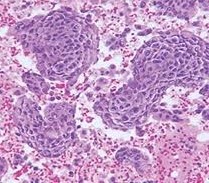
- Histopathology
Histopathology provides definitive & highly reliable diagnostic information that guides surgeons, oncologists & physicians in choosing the most effective treatment strategy.
Cytology:
Cytology focuses on the study of individual cells rather than whole tissues. Using techniques such as fine-needle aspiration cytology (FNAC), Pap smear, fluid cytology & exfoliative cytology, cytologists examine cells for abnormal changes.
Cytology is widely used for:
- Early detection of cancers (especially cervical cancer)
- Screening of precancerous cellular changes
- Diagnosis of lumps, swellings, and fluid-based abnormalities
- Identification of infections and inflammatory conditions It is a minimally
- invasive, fast, and cost-effective diagnostic method.