
About Immunology & Serology:
Immunology and serology are critical branches of pathological testing that focus on the body’s immune system and its response to infections, allergens,
and autoimmune disorders. These tests play an essential role in diagnosing diseases, monitoring immune function, and guiding treatment decisions in modern healthcare.
Fully Automated Chemiluminescence Immunoassay
(LIAISON XL)
- XLight
All in one system: small footprint enables easy installation and avoids laboratory reconfiguration.
- XLerate
Improved pperformance: higher throughput then LIAISON®, long walk-away time and improved instrument reliability.
- XLellence
Safety quality, compatibility with LIAISON®. Continuous monitoring of all critical assay steps and liquid detection by pressure sensor.
- XLarge
Higher Number of reagents on board & new testsavailable.
- XLogic
Remote Assistance, LIS ready & open for future LAS connection.
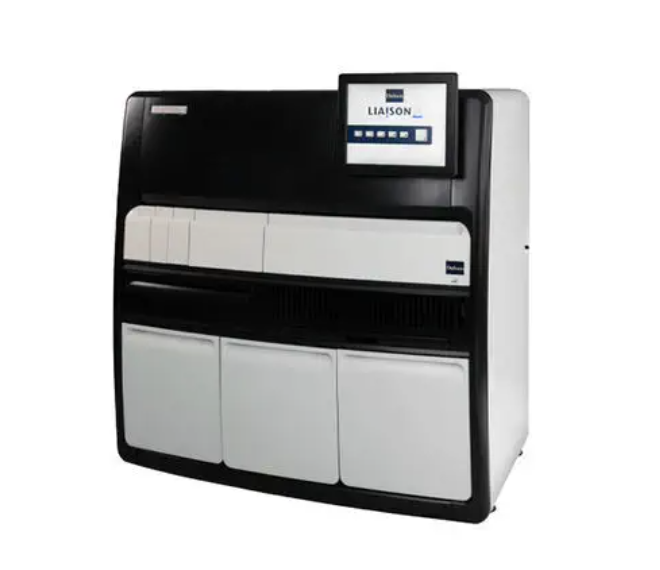
- LIAISON XL
Special Parammeter
- QuantiFERON
- Calprotectin
- H. Pylori Ag (Stool)
- 25 OH Vitamin D TOTAL Assay
- 1,25Dihydroxy Vitamin D (Activefrom)
- Direct Renin
- Rotavirus
- Aldosterone
Blood Bank Parameter
- HhAV IgG/IgM
- HBV (HBsAG Quantitative)
- HCV Ab
- HIV 1+2, Ag/Ab
- HEV IgG/IgM
- HDV Ag
- TPHA (Syphylis)
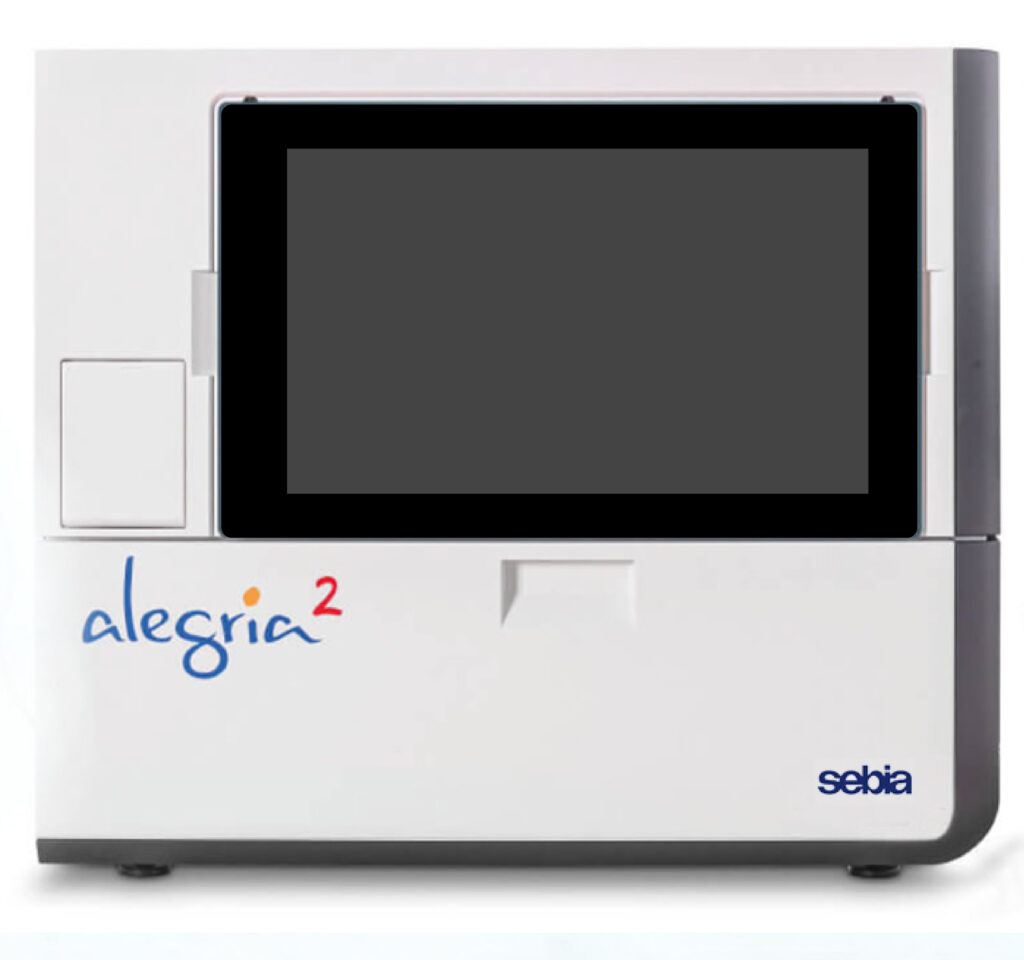
- Alegria® 2
Fully automated immunoassay analyzer
(Alegria® 2)
The new, fully automated Alegria® 2 system provides a cost-affective sample to result solution with ORGENTECs unique & comprehensive Autoimmune & Specialty Infectious disease panel utilizing the Alegria® 2 Monotest technology. This easy to use, customizable technique enebles you to directly test any time for optimized patient care.
- Key advantages:
- Fully automated analytical instrument with walk-away design
- Random access of primary tubes, STAT samples and Alegria® assays
- Continuous loading option with high throughput of up to 240 tests in ~8 hours
- One test strip for one patient sample, each result is validated by its own integrated calibrator and control